Entrapment
“I am trapped in this situation, and I don’t know what to do…” How many times have you heard this phrase from a friend or relative? Or, to be more honest, how many times have you personally felt the emotional state described by this phrase?
The primary underlying emotion is fear, but it is a fear that, no matter how “brave” we are, something prevents us from facing it… The reason for this is well hidden in habits, roles, and even self-deception!
For example, when we fear heights, it is clear what we need to confront, and with behavioral techniques, we can either overcome or reduce this fear. But when what we fear is the change that will occur in us and those around us when a distressing situation ceases to exist, things become much more “uncomfortable” and “difficult.”
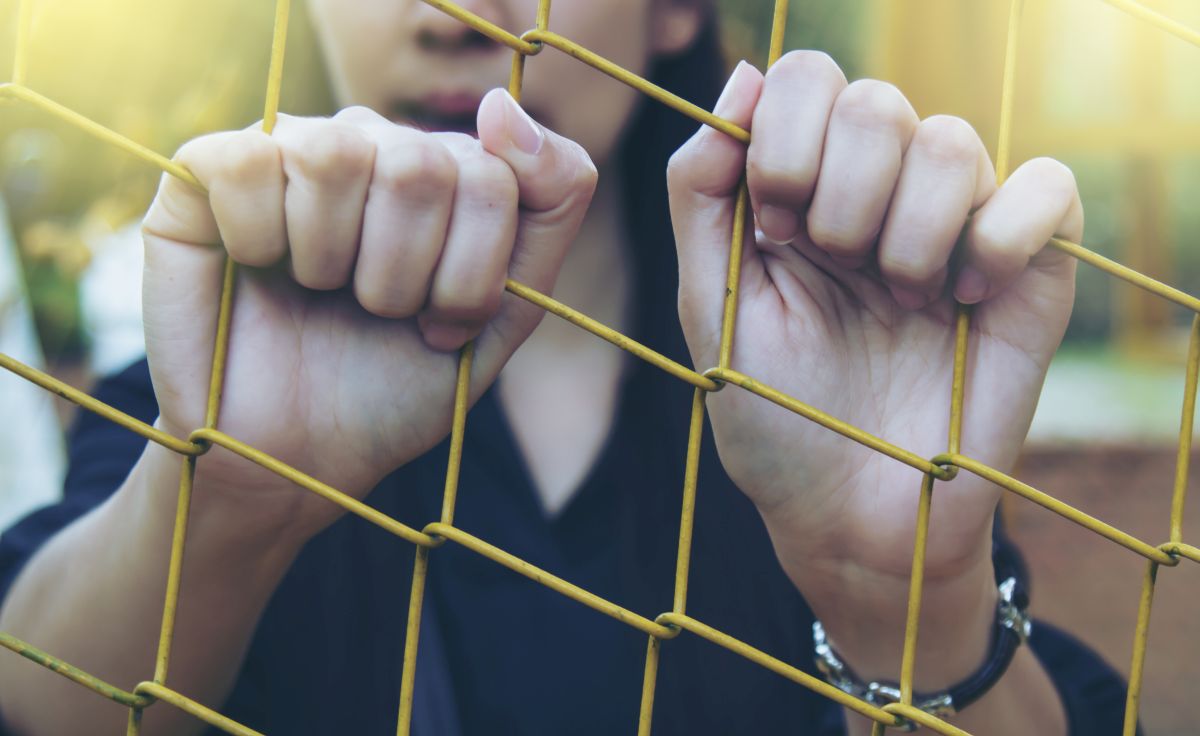
Things get quite “uncomfortable” and “difficult.” Perhaps an example might help clarify this state. We often hear, “I’m trapped in this relationship… I don’t want to be with them anymore, but I can’t leave.” Entrapment, in its literal sense, describes a state where a person is either physically tied or surrounded by enormous walls, making any form of escape impossible. If neither of those is literally the case, perhaps the truth behind that phrase is: “I’m afraid to end this relationship because, although I’m unhappy, at least I have someone,” or even “I’m afraid to take responsibility for ending this relationship because maybe this is what I deserve… and if I break up… then what? At least now I know.”
We truly become trapped in an emotional whirlwind when, deep down, we believe we’re getting what we deserve. The reality is, our survival instinct urges us to leave situations that make us “sick” or weigh us down. The only reason our body would remain in a space that’s 40°C, when we could open the door for fresh air, is if we believe that 40°C is normal—because that’s the temperature we grew up in. In other words, a teenager (or even an adult!) shouting that they are trapped by their parents who decide how they live because they provide housing and money, is really saying: “I need to grow up and take my life into my own hands, and that scares me (I’m not ready) to face… how can I be the one to make decisions for myself and bear the responsibility?”
And since everyone in the above scenarios has likely tried to talk things out by saying things like, “I’ve said it a thousand times, and no one listens,” or “I’ve said what bothers me, and nothing changes,” let me remind you of this: the air won’t cool down by shouting “It’s hot!”—it will cool down when we open the door… when we act… when we move. Ultimately, maybe entrapment is a trick of the soul, a brake of the mind… or more precisely, a resistance to growing up and taking responsibility.